
Stacy Jackson: Reflecting on 30 Years of Chicago Lights
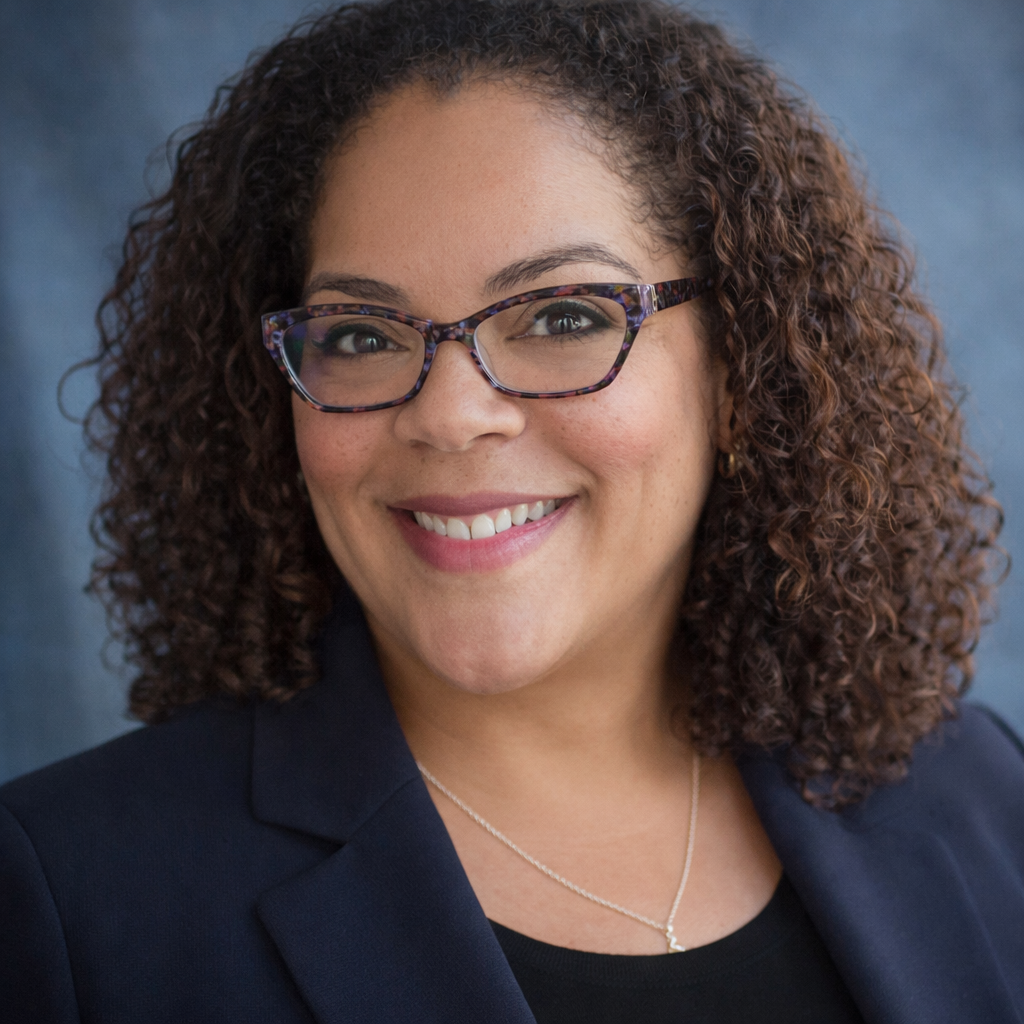 As Chicago Lights Executive Director Stacy Jackson concludes her tenure with the organization after 30 years, a whole slew of different titles, a great deal of growth (for her and for Chicago Lights), and many, many memory-making occasions, she paused to answer a few questions for Chicago Lights, reflecting on her time with the organization.
Here, in her own words, is more of Stacy’s story and her thoughts on what lies ahead.
How were you initially introduced to Chicago Lights, which was then Partners in Education, and Fourth Church?
Stacy: After college I floundered a bit in finding a job I wanted. I knew I would eventually pursue a master’s degree in social work, but I wanted to get some experience before embarking on another degree.
A friend of mine was a volunteer tutor/mentor and suggested that I go talk to Tea Akbar, who was the director of Partners in Education at that time (1996). I called Tea, and before you know it, I was in her office, and she was offering me a part-time job.
I knew nothing about the organization before then. I had passed Fourth Church every day on my way to work, but had no clue about all the great things that were happening inside.
What had your career looked like prior to joining Chicago Lights?
Stacy: After college it looked a lot like sitting on my parents’ couch. Then it looked like being a server at Olive Garden. After a while, a friend got me a job at The LOOP radio station, which was at least in the vicinity of my communications degree.
Working in radio certainly had its fun times, but I was in a role I wasn’t meant to do long term. I spent a lot of time pleading with God to help me find something I would enjoy and feel good about.
 What was your first role here?
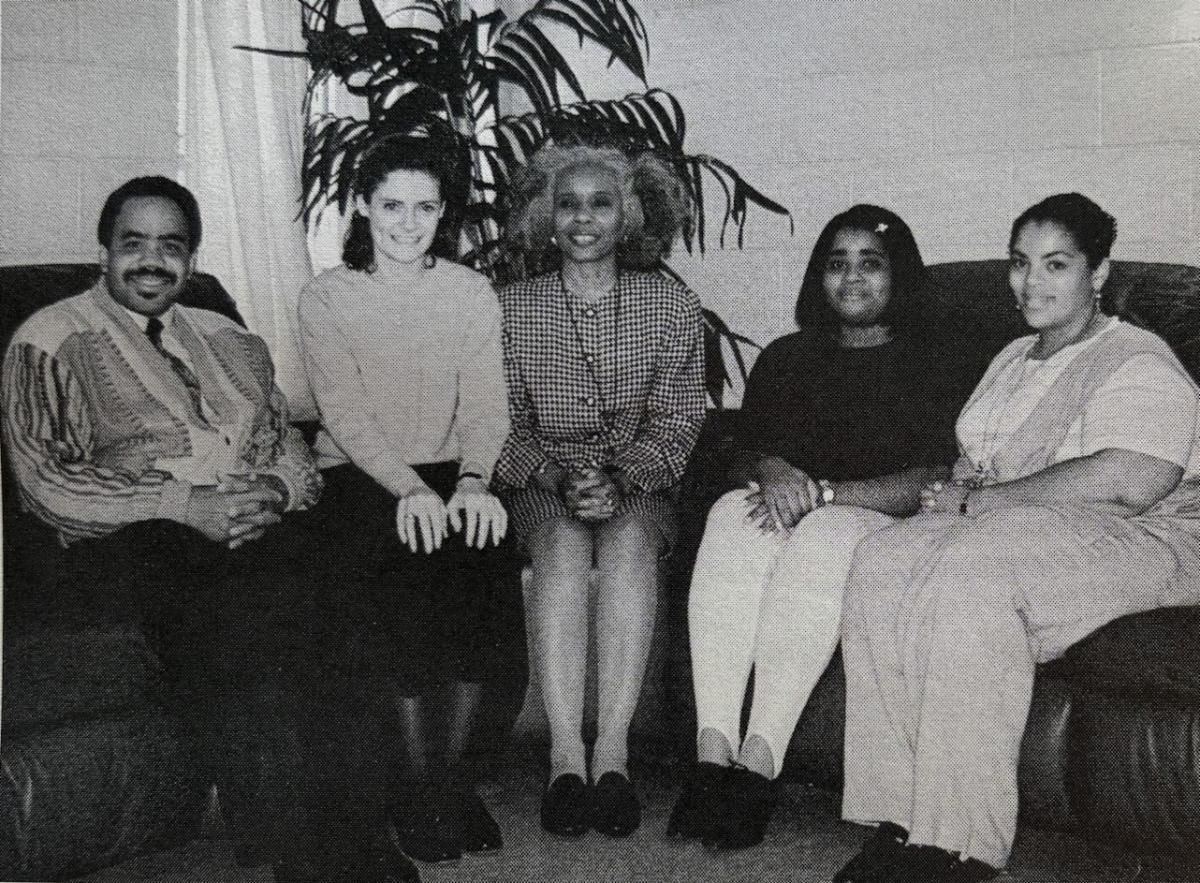
Stacy: My first role at Partners in Education was a 10-hour-a-week position—that I now realize Tea clearly invented for me—where I worked at the Center for Whole Life, which was a drop-in center in one of the Cabrini Green buildings. My job was to put together a partnering program (mentoring for adults) that linked a participant of the center and a volunteer from Fourth Presbyterian Church.
This was during the time of the Chicago Housing Authority’s Plan for Transformation where people were being moved out of the homes they’d had their whole lives. As you can imagine, it was an incredibly difficult time for residents, and this partnering program offered support.
It was a short-lived program, but it really helped the people who participated. They all found their next homes. One of the volunteers had gently used furniture she was able to give so the resident she was paired with didn’t need to worry about that. One participant, although whip smart, had dropped out of high school many years earlier. She now had kids who were soon to graduate. Her mentoring partner helped her obtain her GED before her children finished school, and I know that meant a lot to her.
Did you have a plan when you took that job?
Stacy: I thought I would get a little experience so I could make sure social work was what I wanted and make the right decision about graduate school. I thought I’d be working with PIE for a year at the longest.
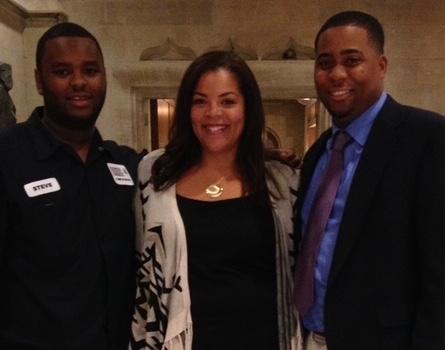 But that’s not what happened, thankfully. Can you take us through the timeline and various roles you’ve had with the organization?
Stacy: From 1996 to 2001, the roles I held included Assistant Director for the Center for Whole Life, Tutoring Operations Manager (which started my full-time status with the organization in November 1996), and three summers of being Director of Summer Day.
In 1999, I began at the Crown School of Social Work at the University of Chicago—then it was called the School of Social Service Administration—and continued working with the Tutoring program. In 2001, I completed graduate school and was promoted to Director of Tutoring and Scholarship.
In 2009, I was ready for the next challenge, and so was Alex Cornwell. The Associate Executive Director of Chicago Lights position was created for me, and Alex became the Director of Tutoring and Scholarship. Then in 2012, I became Executive Director of Chicago Lights.
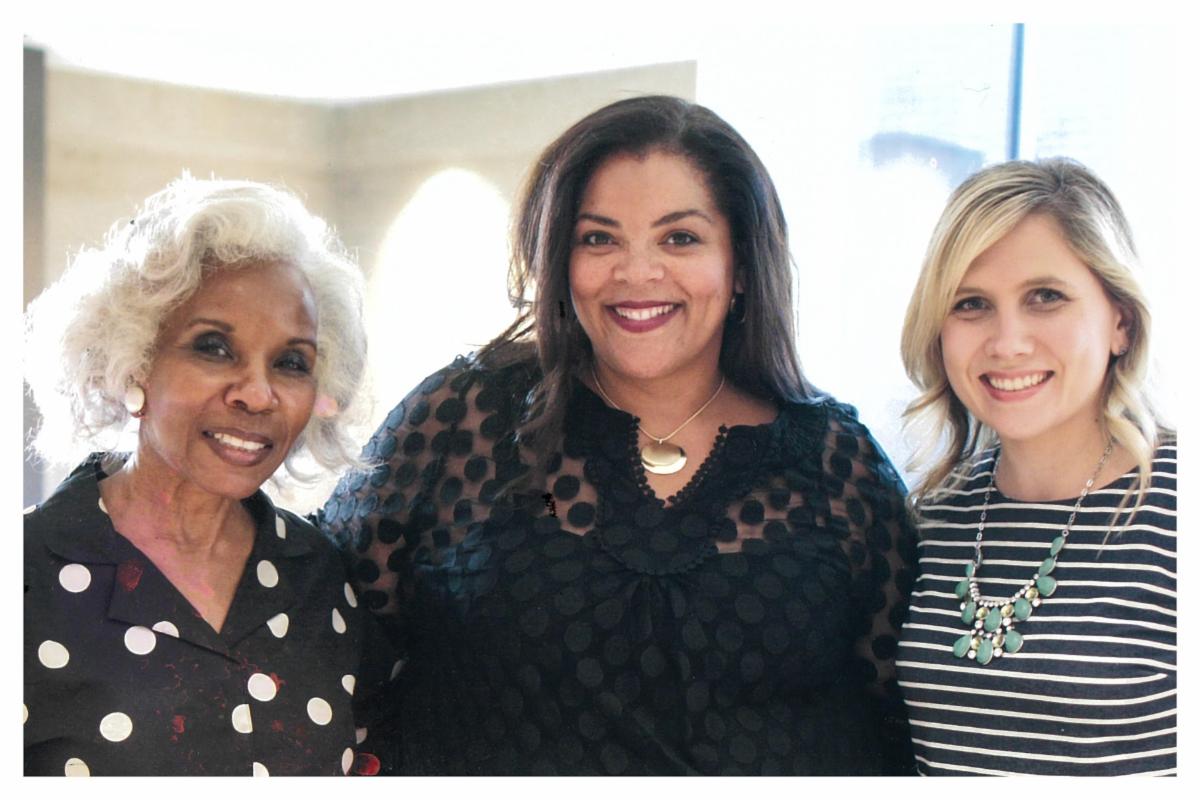 Which was your favorite or most memorable role or era in the life of the organization?
Stacy: I wouldn’t say I have a favorite because each role and each era had its special meaning in my journey, but I will say that my direct work with the Tutoring program stands out. For me it was the perfect blend of direct work with participants, behind-the-scenes management, and leadership. Also, there’s just something about those beautiful relationships that form in 90 minutes each week.
When I take a little longer to reflect—as I have been lately—there are so many other things I am grateful for and hold in my heart as well. I love the community that’s been built at the Urban Farm, how the Farm brings people together, the wholesome space it creates for young people, the blast children have at the cookouts with face painting and bouncy houses, and the transferable skills the high school students gain through Harvesting Futures. I’ll never forget the way kids would eat kale off the vine (brain food!) and the beauty of the Farm with the city landscape behind it.
I remember how fun it was to work with the first cohort of the Chicago Lights Associates Board, and I have been constantly impressed by the dedication of the Chicago Lights Board of Directors.
The resilience of people and the support the Social Service Center team offers is another element of all this that will stay with me. Their ability to walk alongside participants while they go from barely surviving to thriving is nothing short of miraculous. I can also still see the pure joy exuding from kids in Summer Day as they performed on the last day of the session and the pride on their parents’ faces.
Which role or era had the most challenges?
Stacy: The contrast I felt in my early days as I went from my work in a Cabrini Green high rise to the office at the church on Chicago’s Magnificent Mile was jarring. Over the years, there have been students who lost their lives through accidents, illness, and gun violence. That shattered me.
The Executive Director position has been the most challenging overall because the stakes feel deeply personal. When you care so much about the people, programs, and mission, you carry both the joys and the weight of the organization with you every day. It’s not challenging because of any one thing, but because leadership demands that you continuously grow.
 This job has been a constant balancing act of supporting staff, stewarding resources, cultivating relationships, and responding to community needs (hello, new arrivals to this country). Leadership often means making difficult decisions without perfect information while holding space for many different perspectives. Over the years, I’ve had to learn how to greet uncertainty like pandemics and economic downturns with hope and optimism, support others through change, make difficult decisions, and convince people that everything was going to work out when I was actually freaking out on the inside too.
By the way, everything will work out!
Thankfully, I was never alone. Any impact attributed to my leadership is really the story of a remarkable community of people, including extraordinary staff colleagues, volunteers, participants, community partners, supporters, board leaders, and Fourth Church.
Does it surprise you that you’ve been here 30 years?
Stacy: YES! And no. It was never my intention to stay 30 years. I mean, who does that? Only 3% of the workforce in this country. But I’m not the only one with a long tenure at Chicago Lights. We have program leaders that have been here for 27 years and 21 years.
I can think of no better way to have spent my career than engaging in Chicago Lights’ mission of building brighter futures for Chicago’s youth and adults. There was always a new challenge to dive into, always something to learn, and always something to be proud of.
And I do not take for granted the way the community of Fourth Church and Chicago Lights has nurtured me. I don’t take that for granted one bit.
 What stands out when you look back over your tenure?
Stacy: I wouldn’t be Stacy Jackson if I didn’t think about my many mistakes, but what I see most clearly is the inspiration that has come from participants. Students went to college! People became housed! Young people found their vocational passion! Participants of all ages were able to express themselves through art! People found community! Life-long relationships were built! There’s been lots of forward momentum. Lots of brighter futures. Lots of generosity. Lots of love.
How has the organization changed?
Stacy: Over the years people have come and gone, and we have created new programs and sunset others. Maybe some different faces and different activities, but the organization has always been and will always be about connecting with others and walking alongside them toward brighter futures for all.
How have you changed?
Stacy: I think I’ll be reflecting on that for years to come, but appreciation for other perspectives and experiences is certainly something this work has provided me. One of the things I most appreciate about Fourth Church and Chicago Lights is the variety of people they draw. I recall on my first day 30 years ago seeing all walks of life in the lobby over the course of 10 minutes. I loved it! I think being present to that provides an opportunity to learn, expand your thinking, and consider various perspectives. It is only when we come together and embrace the richness of our human diversity that meaningful change becomes possible.
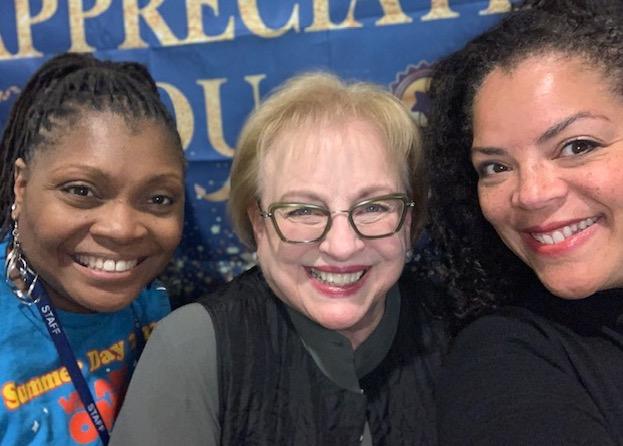 How has this work prepared you for what’s next in your life?
Stacy: This work is all about people—collaborating with people, listening to people, learning from people, holding space for people, and seeing possibility for people. It’s been one big, advanced degree in people!
I will continue to work with people in my next chapter. I am a certified executive and life coach, and that’s what I will devote my time to in the future.
In my time here, I’ve had seven incredible supervisors and ten fantastic board presidents. I learned something from all of them. Each one allowed me to take chances and try different things. Sometimes it didn’t go the way I’d planned, which gave me lots to learn from. The experience of the grace and patience I was offered is what I hope to bring with me to offer my clients. When someone provides you with grace and patience, you have a foundation to move forward.
What are you most proud of after these 30 years?
Stacy: I’m proud of many of the things Chicago Lights has accomplished, including increased depth of programs, long-time partnerships, and the thousands of lives touched along the way. I’m proud that we’ve built programs rooted not just in services, but in relationships, dignity, trust, and community. I’m proud that former students still reach out decades later, that staff members have grown into extraordinary leaders, and that it is understood that Chicago Lights truly makes a difference in people’s lives.
If there’s something I feel especially grateful for, it’s having been a part of creating a culture where people could do meaningful work with both compassion and excellence and where participants know they will be met as they are, without judgment, and will be supported on the journey of creating the life they want to have.
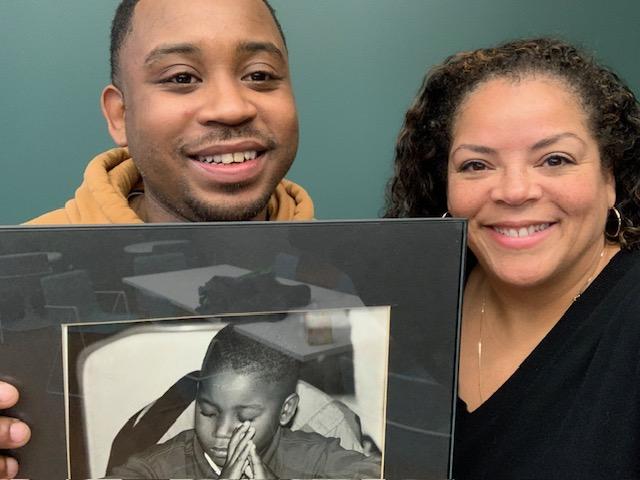
What are your hopes for the future of Chicago Lights?
Stacy: It’s not a hope, but a deep knowing that the best is yet to come for Chicago Lights. The organization is in great hands. The strong leadership of the Board of Directors, the skill, passion, and dedication of the staff, and the perseverance of Chicago Lights participants ensures that great things will continue to happen. And of course, the generosity and support that comes from the Chicago Lights community of volunteers, donors, partners, and Fourth Presbyterian Church provides a rock-solid foundation that ensures a bright future for the organization.
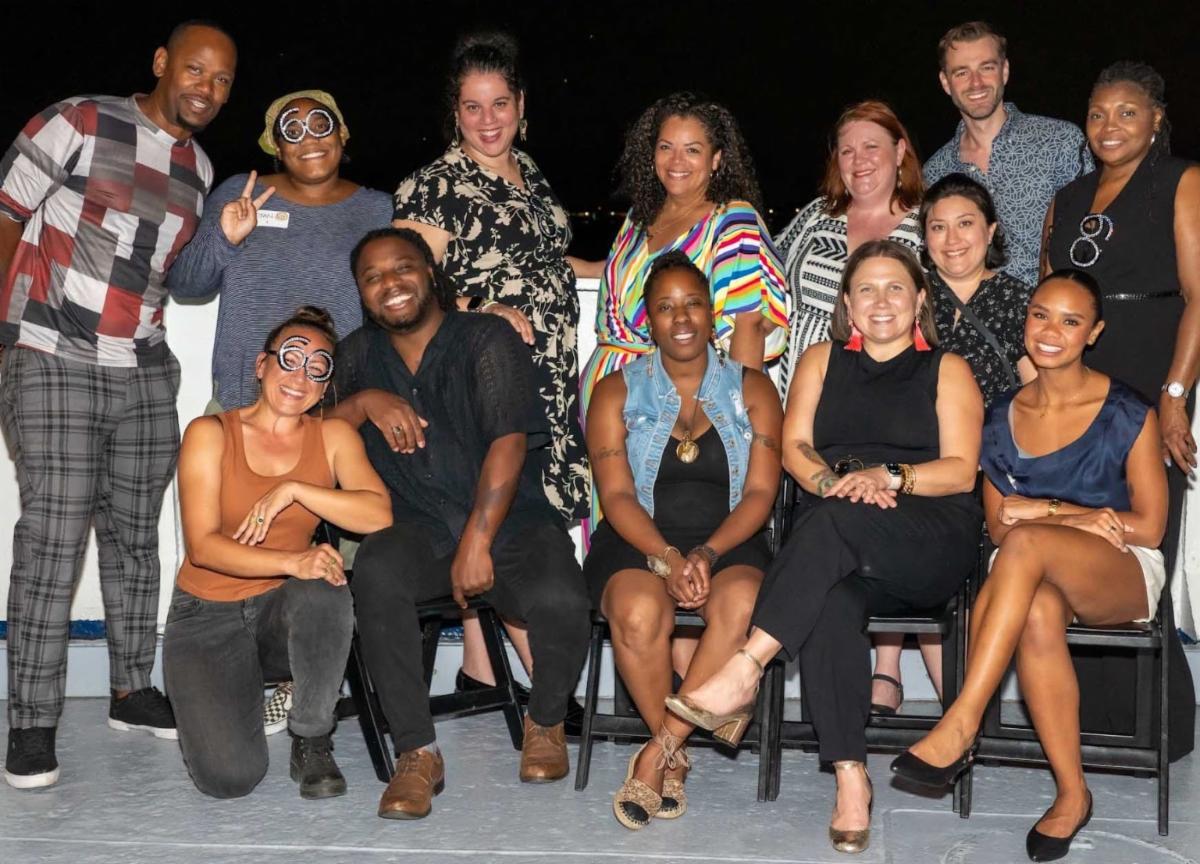 If you could leave Chicago Lights with a thought to carry them into the future, what would it be?
Stacy: People and connection first, strategy and decisions after.
Anything else you’d like to add?
Stacy: I’m profoundly grateful for the people who have shaped this journey over the past thirty years: the participants who trusted us and allowed us to walk alongside them, the staff and colleagues whose compassion and commitment brought this work to life every day, the volunteers and partners who gave so generously of themselves, and the board members, donors, and church community whose belief in Chicago Lights has made so much possible.
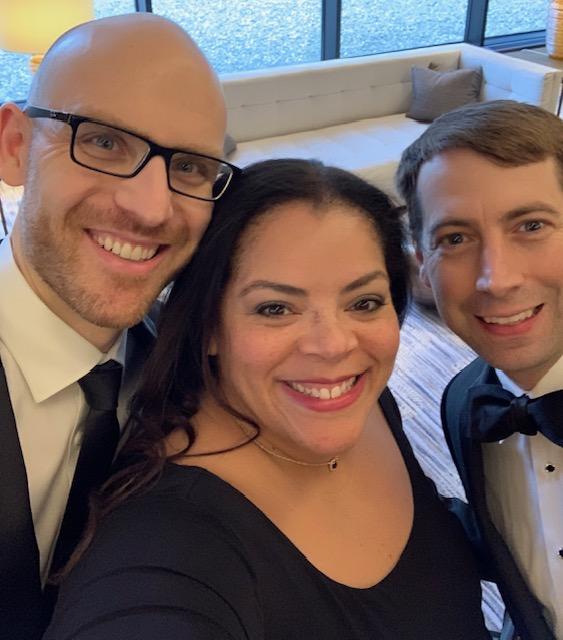
This work has always been about relationships, community, and people showing up for one another in meaningful ways. I feel incredibly fortunate to have spent so many years in a place filled with thoughtful, generous people working toward something bigger than themselves: a more connected, compassionate, and hopeful city where everyone thrives. Chicago Lights has shaped me as much as I have shaped it, and with deep gratitude, I will carry these relationships and experiences with me always.